
If 2024 was the year AI arrived, and 2025 was the year we figured out how to use it, 2026 is the year of the backlash.
The internet is currently flooded with mediocre, AI-generated noise. Every LinkedIn comment looks the same. Every blog post sounds like a Wikipedia summary.
As a result, consumer behavior is shifting faster than I have seen in a decade. We are moving away from "Polished Perfection" and toward "Messy Authenticity." We are moving from "Search Engines" to "Answer Engines."
I analyzed the data, tracked the algorithm updates, and here is your survival guide for the coming year. Here is what is IN and what is OUT in 2026.
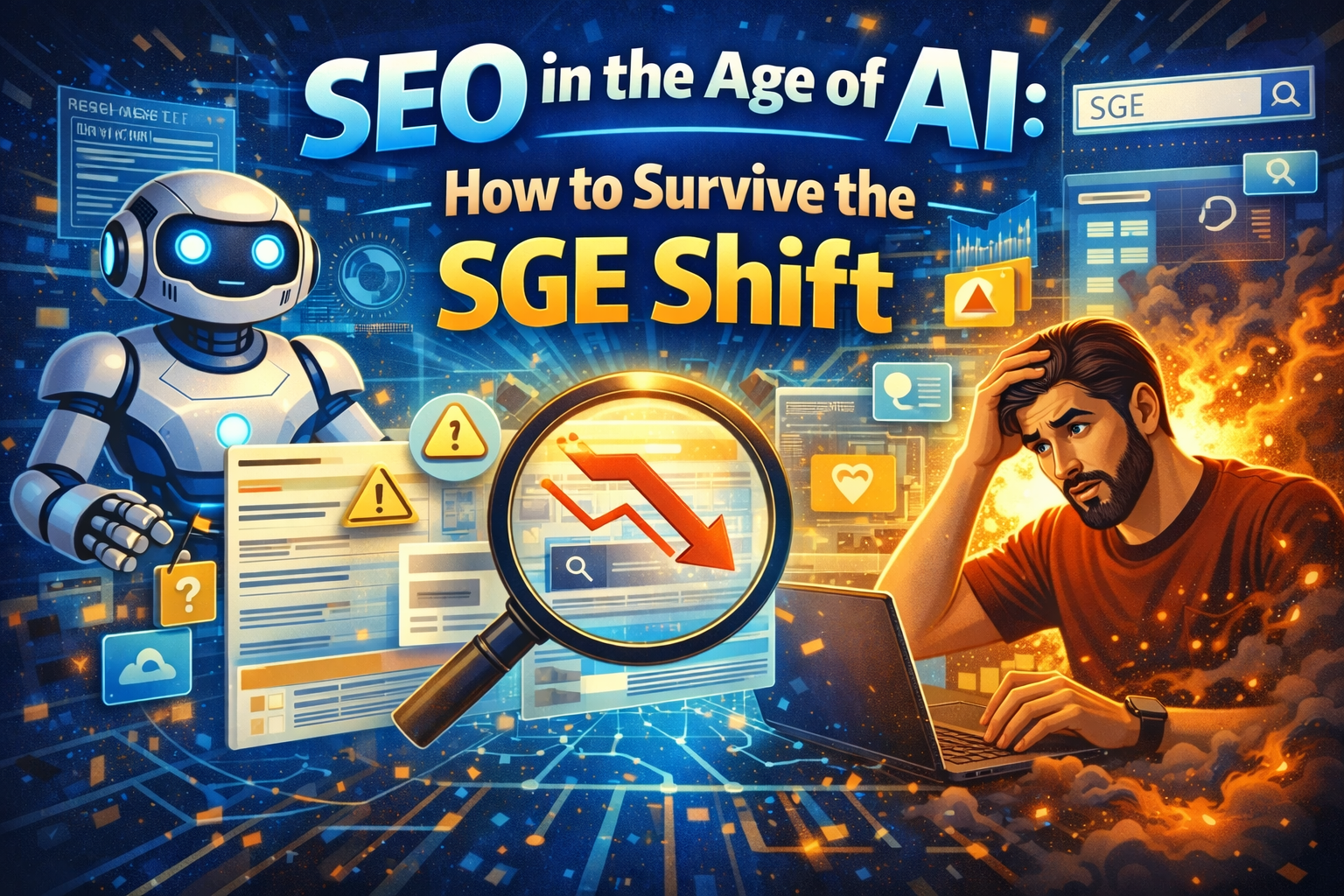
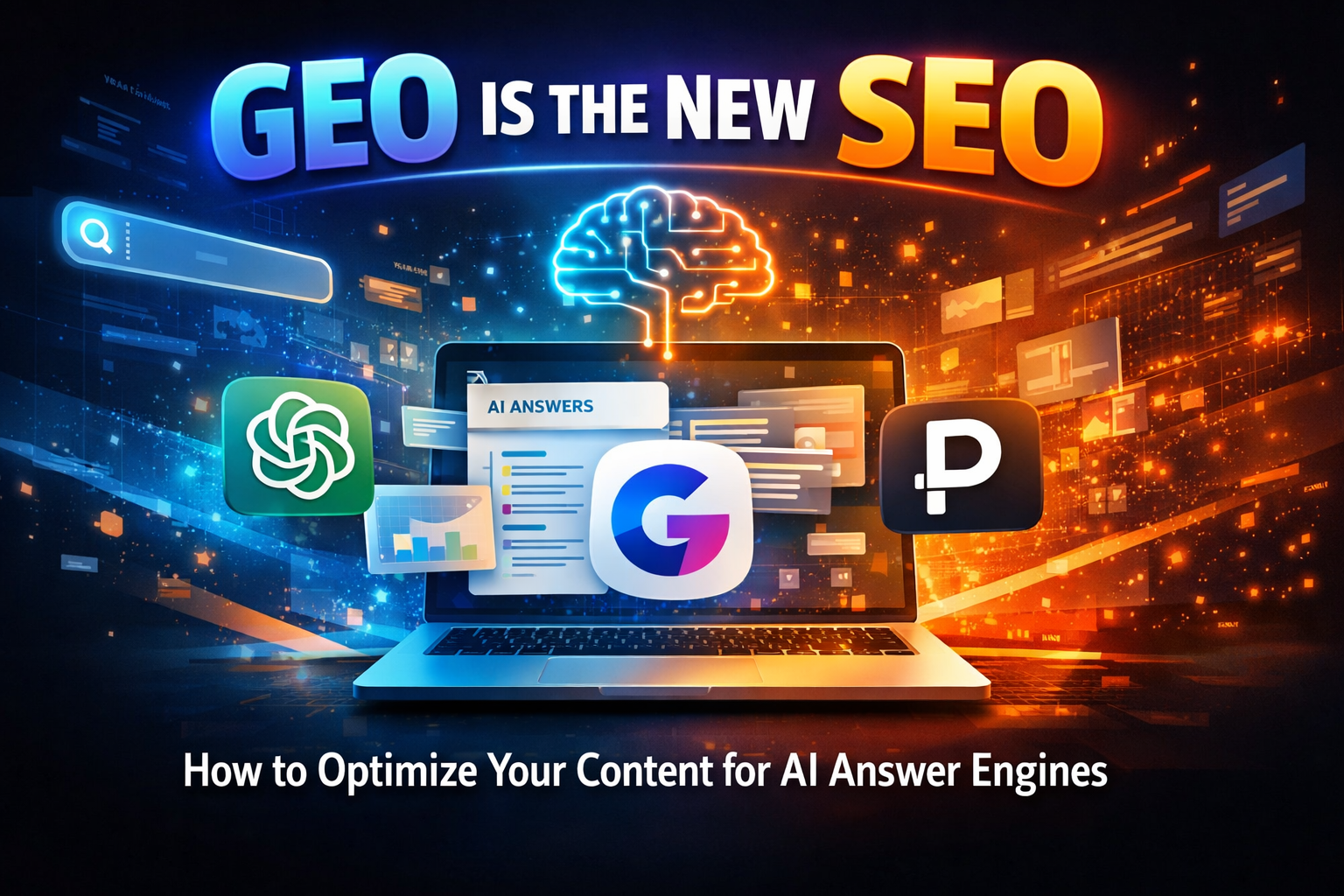
Trend 1: The "Answer Engine" Takeover (SGE & Perplexity)
The Old Way: Users search keywords -> Click 3 links -> Read your blog -> Convert. The 2026 Way: Users ask a question -> AI summarizes the answer -> User leaves.
With Google's Search Generative Experience (SGE) and the rise of tools like Perplexity, zero-click searches are skyrocketing. The "Top of Funnel" (informational traffic) is drying up for many sites.
🚀 The Strategy Shift:
Stop optimizing for keywords like "What is CRM?" The AI will answer that. Start optimizing for Information Gain.
-
Original Data: Publish surveys and studies AI can't generate.
-
Strong Opinions: AI is neutral; you shouldn't be. Take a stand.
-
Personal Experience: Phrases like "In my experience..." or "We tested this..." are gold for ranking now.
Trend 2: The Return of Long-Form Video
Short-form video (TikTok/Reels) is still huge, but "doomscrolling fatigue" is setting in. Users are tired of 7-second hooks that deliver zero value.
Platforms like TikTok are pushing 10-minute videos. YouTube is seeing a resurgence in video essays.
🚀 The Strategy Shift:
Use short-form to reach people, but use long-form to convert them.
-
The Format: "Vlog-style" business content. Less studio lighting, more walking-and-talking.
-
The Goal: Depth. Don't just give 3 tips; walk the user through the entire process for 15 minutes. This builds the trust required to sell high-ticket items.
Trend 3: "POV" Marketing > Brand Marketing
Nobody wants to follow a "Logo" anymore. They want to follow a Founder or a Subject Matter Expert.
Look at the biggest B2B companies in 2026. Their marketing channel isn't their company blog; it's their CEO's LinkedIn account or their Head of Marketing's Newsletter.
🚀 The Strategy Shift:
-
Decentralize your brand. Empower your employees to build their own audiences.
-
The "Founder-Led" Era: If you are a founder, you are the chief marketing asset. Your personal story is the moat that AI cannot copy.
Trend 4: Private Communities (The "Dark Social" Shift)
Marketing is moving into places you can't track: Slack communities, Discord servers, WhatsApp groups, and email threads. This is "Dark Social."
Attribution software says your lead came from "Direct Traffic," but actually, they heard about you in a private Slack group for CFOs.
🚀 The Strategy Shift:
-
Stop obsessing over attribution. If you only do things you can measure perfectly, you will miss 50% of your market.
-
Sponsor Creators, not just Ads. Getting a shoutout in a niche newsletter is more valuable than a generic Facebook Ad because it penetrates these private circles.
📉 What's OUT in 2026 (Stop Doing This)
-
Generic "How-To" SEO Posts: If ChatGPT can write it in 5 seconds, it's worthless.
-
Gated Whitepapers: Nobody is giving you their real phone number for a generic PDF anymore. Ungate your content to build trust.
-
Over-Polished Instagram Grids: Aesthetics are out. "Realness" is in. A blurry photo with a great caption outperforms a stock photo every time.
-
Twitter/X Threads with "🧵👇": The engagement bait formatting of 2023 is now seen as spammy. Just write normally.
Final Verdict
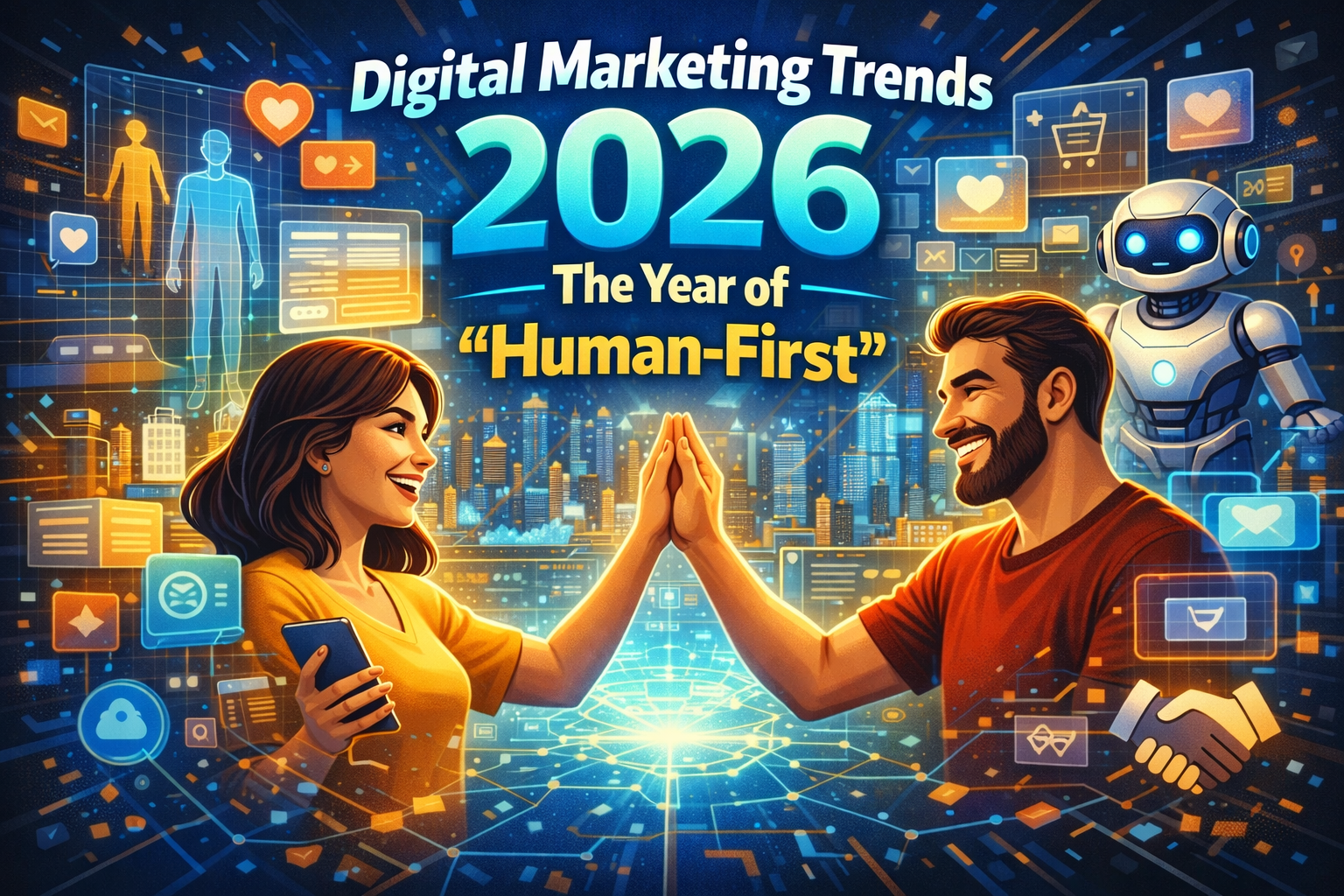
The theme for 2026 is Humanity.
As the web gets more synthetic, the value of being undeniably human—having a voice, a face, and a unique perspective—goes up.
Don't try to out-robot the robot. Be the human the robot cites as a source.